KC Soccer Blog

Author: Chase

  • KC Kicks Practice Plan

    KC Kicks Practice Plan


    • Date: Tuesday, March 10
    • Time: 5:15 PM – 6:45 PM
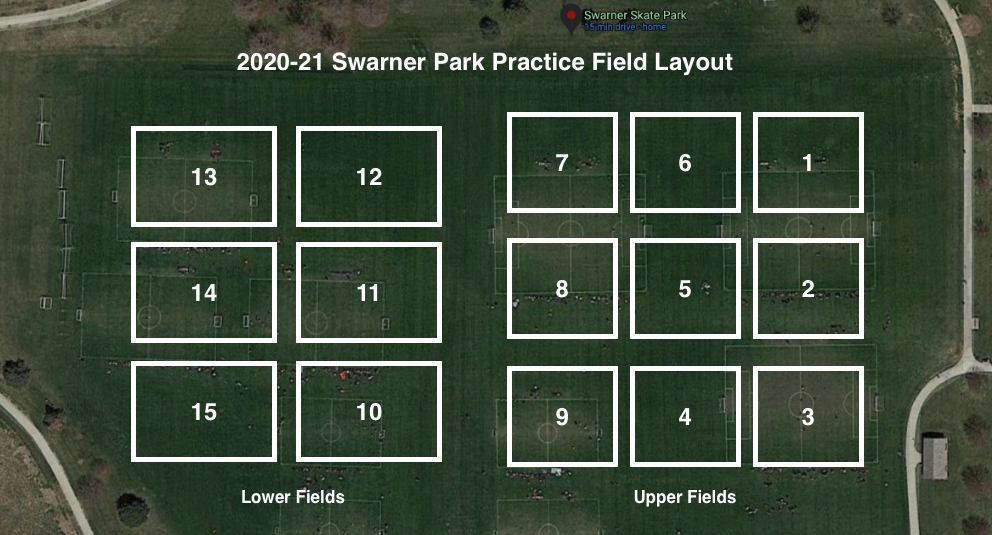
    • Location: Swarner Park Field 3
    • Bring:
      • Shin guards
      • Water bottle
      • Soccer ball size 4

    We will begin introducing our pre-game warmup routine, followed by competitive small-sided games and finishing with a scrimmage. ⚽

    Part 1 — Game Warm-Up Routine (30-40 Minutes)

    The first 30-40 min of practice follows the same routine we’ll use before games. The goal is to build a rhythm the players recognize so when game day arrives, nothing feels new.

    1. Freestyle Dribbling (5 minutes)

    Players spread out with a ball.

    Focus points:

    • Change speed frequently
    • Change direction
    • Use favorite moves
    • Keep the ball close when in traffic

    This is a chance for players to get comfortable on the ball and wake up their feet.


    2. Juggling (5 minutes)

    Players juggle individually or with a partner.

    Goals:

    • Improve touch
    • Develop coordination
    • Build confidence with the ball

    Players should challenge themselves but keep the ball under control.


    3. Dynamic Passing (5 minutes-10 minutes)

    Players form small passing groups.

    Rules:

    • Two or three balls moving at the same time
    • Constant movement
    • One or two touch when possible

    The focus here is awareness and quick decisions.


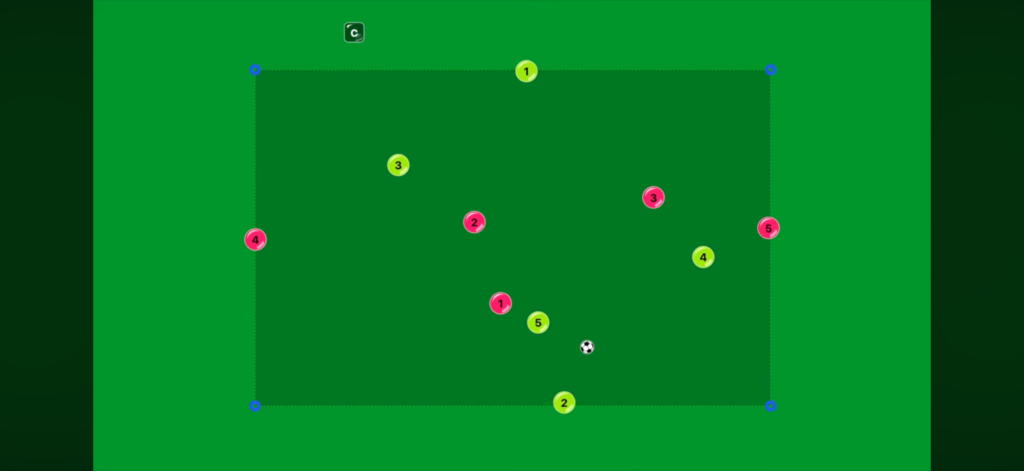
    4. Multidirectional Possession Battle (15 minutes)

    Grid: 25×25
    Teams: Two teams
    Target Players: One outside player for each team

    How it works:

    • Teams keep possession inside the grid
    • Each team has a target player outside the grid
    • Players can score a point by completing a pass to their target
    • After a successful pass, the player who passed switches places with the target

    Coaching focus:

    • Quick support
    • Playing under pressure
    • Finding passing lanes

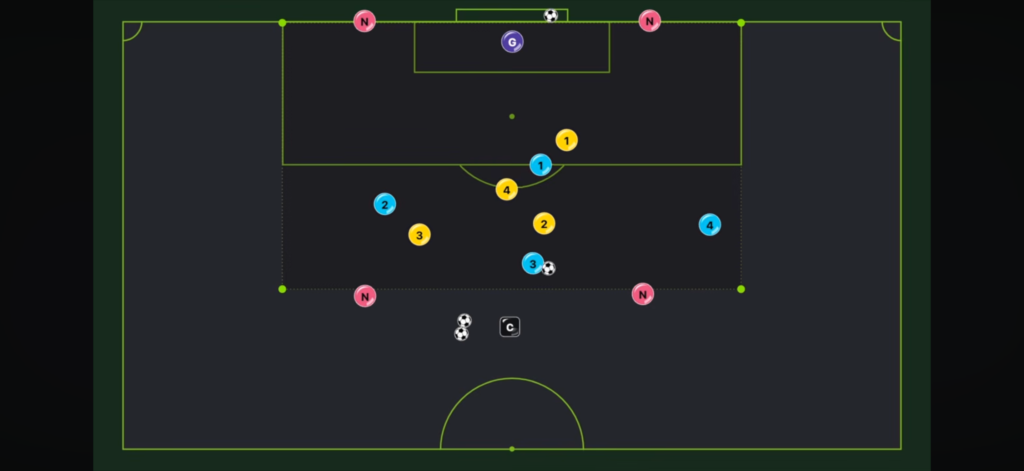
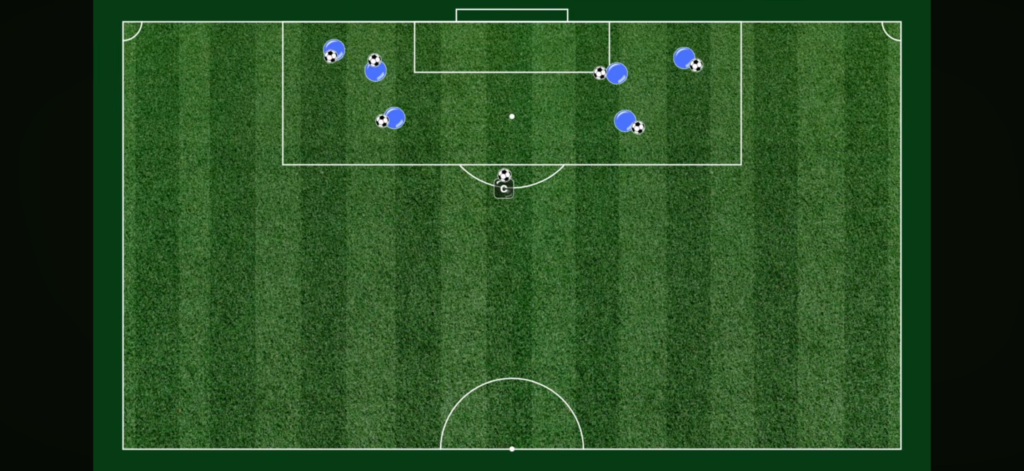
    5. Final Third Attack Game (15 minutes)

    Grid: 30×30
    Setup: One goal on one end
    Teams: 4v4 plus 4 neutrals

    Rules:

    • Teams must connect a pass to a neutral player before attacking the goal
    • Only one team attacks at a time
    • If a team gets scored on, they rotate and become neutrals

    Coaching focus:

    • Creating space
    • Off-ball movement
    • Quick attacking decisions

    Part 2 — Competitive Game Play

    We will setup a tournament with 2-4 players per team depending on numbers

    3v3 Small-Goal Matches

    There are 4 goals setup to make 2 fields across the width of the field.

    Format

    • 3v3
    • No goalkeepers

    Teams will rotate for better matchups

    Coaching emphasis:

    • Dribble into space when it opens
    • Keep the head up and scan
    • Make quick passes when defenders collapse
    • Immediate pressure after losing the ball

    Part 3 — Scrimmage (20 Minutes)

    We finish with a full scrimmage. For the scrimmage we will use the entire field and either drag over a large goal or use small goal/s.

    This is the time for players to apply everything from practice:

    • Dribbling into open space
    • Making long passes when available
    • Supporting teammates off the ball
    • Winning the ball back quickly

  • ⚽ KC Kick Warmup Plan

    A 30-Minute Structure


    🔵 First 15 Minutes – Technical Foundation

    Three 5-minute blocks. No wasted time. No long lines.


    1️⃣ Freestyle Dribbling (5 Minutes)

    Setup:
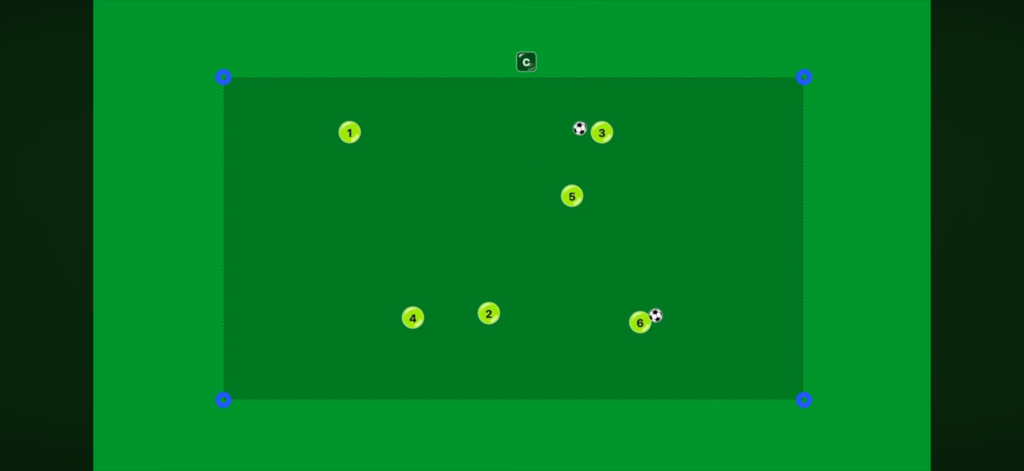
    20×20 grid (adjust based on numbers). Every player has a ball.

    Focus:

    • Change speed
    • Change direction
    • Use favorite moves
    • Explode into space after the move

    Coaching reminders:

    • Slow to fast
    • Sell the move
    • Push into space
    • Head up between touches

    Last 2 minutes:

    • Weak foot only
    • Perform a move before accelerating
    • Beat someone with speed

    This is about confidence and rhythm.


    2️⃣ Juggling (5 Minutes)

    This block sharpens touch and focus.

    Structure:

    • Players can start with bounce juggles
    • Juggle 2 times then catch the ball
    • Try for a new record each practice

    Encourage:

    • Clean contact
    • Weak foot touches
    • Calm body control

    3️⃣ Dynamic Passing (2–3 Balls) – 5 Minutes

    Same grid. Start with 2 balls. Add a third if it’s clean.

    Rules:

    • Move after every pass
    • No standing next to the player you passed to
    • One-touch when possible

    Coaching focus:

    • Scan before receiving
    • Open body shape
    • Firm passes
    • Communication

    It should feel fast, slightly chaotic, and controlled.


    🔴 Final 15 Minutes – Competitive Game Play

    Choose one based on the day.


    Option 1: Multi-Directional Possession Battle (25×25)

    Setup:

    • 25×25 grid
    • 2 teams inside
    • Each team has 1 target player outside

    Teams score by connecting a pass to their target.
    After the pass, the player switches with the target.

    Develops:

    • Angles of support
    • Playing away from pressure
    • Quick transitions
    • Off-ball movement

    This is great for building composure and awareness.


    Option 2: 4v4+4 in the Final Third (30×30)

    Setup:

    • 30×30 grid
    • Goal on one end
    • 4v4 inside
    • 4 neutrals around perimeter

    To attack, a team must first connect with a neutral.

    If your team gets scored on, you rotate out and become neutrals.

    Emphasis:

    • Combination play
    • Quick forward progression
    • Recovery runs
    • Transition mentality

    This one raises intensity quickly.

  • KC Kick Season Update:

    KC Kick Season Update:

    Everything is officially in place. The roster is finalized. The field is secured. The division is set.

    Now we have dates.


    📅 Key Dates

    Practices begin: Tuesday, March 10
    Games begin: Saturday, March 21

    That gives us a short runway to prepare. We’ll use every session wisely.


    Practice Location & Time

    We’ll train Tuesdays at Field 3 at Swarner Park (Swarner Park).

    Field 3 is the one closest to the restrooms. In previous seasons we practiced on the northeast field, so be sure to head to the correct location.

    Time:
    5:00–6:30 PM (or until dark)
    It will likely get dark between 6:15–6:30, and we’ll adjust as needed.

    If we can get enough interest for an earlier session, we may explore that option as well.


    3rd Grade Blue Division

    This year’s division includes:

    This is the upper division for 3rd grade.

    We also have three new players joining the team, giving us more depth than last year. That depth matters over the course of a season.


    What Happens Between Now and March 21

    Game day performance will reflect what happens at home.

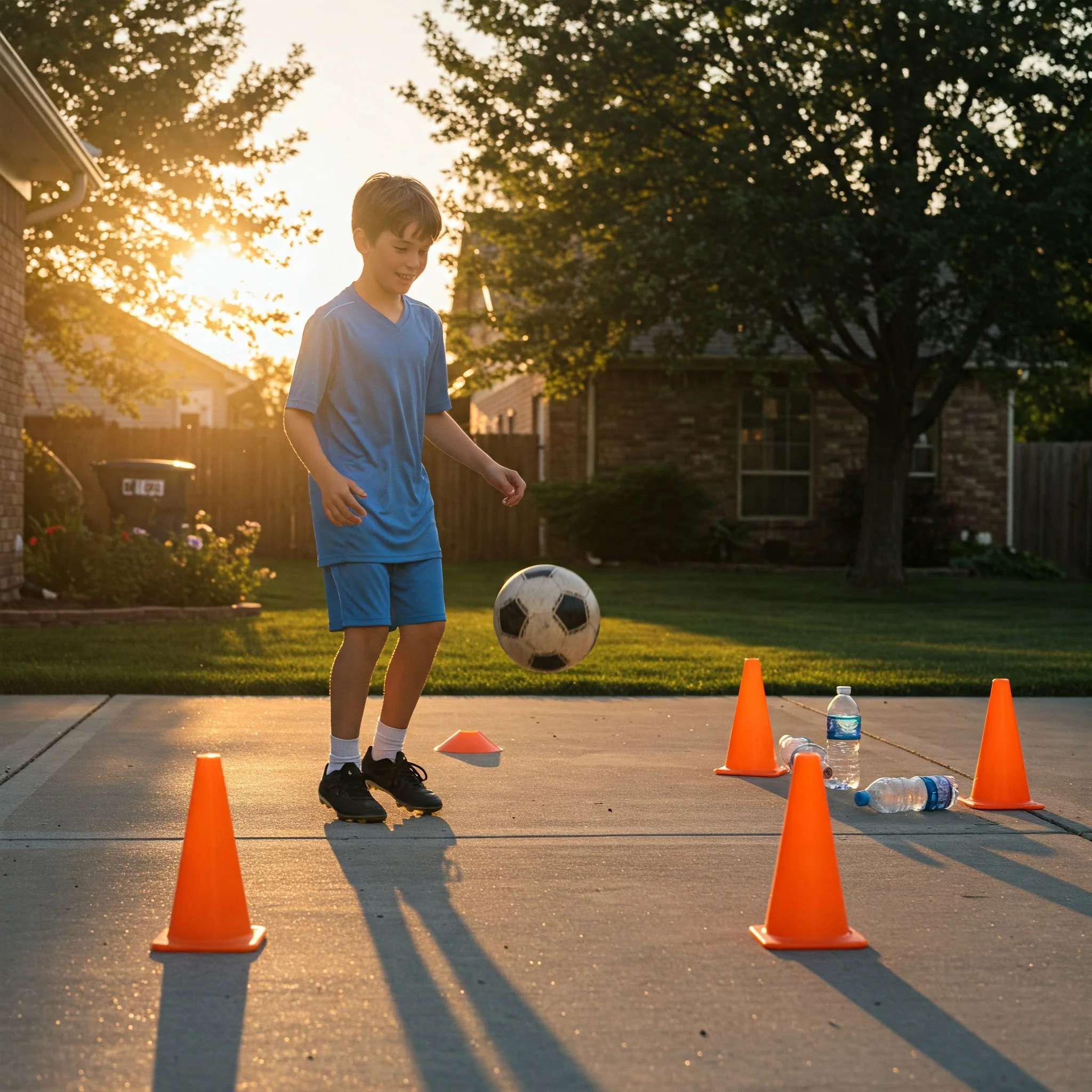
    Five to ten minutes every night:

    • Toe Taps
    • Tik Toks
    • Bounce Juggles (driveway or hard surface)

    We’re not looking for perfection. We’re building comfort and confidence on the ball.

    March 10, we begin training.
    March 21, we compete.

    Let’s show up ready. ⚽

  • KC Kick Season Update: Built the Team

    KC Kick Season Update: Built the Team

    We’re officially set. The roster is locked in, and I’m excited about this team. There’s a great mix of players, some of the kids have been playing together for several years now. It’s fun to watch these kids grow. Thank you to all the parents for the opportunity.

    The Secret Isn’t Complicated — It’s Touches

    To start off the season I’m encouraging everyone to get in touches at home at least 3 days per week, starting now.

    Five to ten minutes. That’s it. (Aiden does 25 min 3 times per week.)

    What we’re really trying to build is comfort. When the ball feels natural at your feet, the game slows down. Confidence grows. Decisions get cleaner.

    Here’s what I want every player doing each night. I have also linked to the skills page for further detail.

    1. Toe Taps

    Simple. Steady rhythm. Soft touches. Stay light on your feet. 100 toe taps are a good start. For advanced players work on rolling toe taps.

    2. Tik Toks

    Inside touches back and forth. Quick feet. Keep the ball under control. Aim to do 100 per session. For advanced players try to keep you head up.

    3. Bounce Juggles

    Use a driveway or hard surface. Let it bounce between touches and try to keep the ball from going off to the side.

    Track your numbers. Try to beat your personal best. The idea is for each player to be able to complete 30 bounce juggles, once they have achieved this, they are ready for the next step. Juggling 2 or 3 times, then catching the ball.


    Practice Update

    We’re planning to hold Tuesday practices at Swarner Park. We are expecting practice to open up around the first of March. I’lll update when everything is final.

    *Field availability should be confirmed in the next few days.

    The current plan is to get a 90 min practice 1 day per week.

    • 5:00–6:30 PM
    • Or until dark (sunset will likely fall between 6:15–6:30)

    If there’s enough interest we may try to sneak in a practice or two at Quivira Glen park during the end of February.

  • Two Minutes That Matter: A Coach’s Guide for Ages 9–10


    Most coaches don’t fully realize how influential they are, especially at this age.

    From birth to around age 7, parents are the strongest influence in a child’s life.
    But from roughly ages 7 to 12, something shifts.

    During this window, coaches can have as much and sometimes even more impact than parents.

    That’s not pressure.
    That’s opportunity.

    I believe one of the most valuable things a coach can do is take just two minutes out of every practice to help kids learn how to:

    • Manage emotions
    • Do difficult things
    • Respond to mistakes
    • Support teammates
    • Keep going when things feel uncomfortable

    This isn’t about speeches or lectures.
    It’s about short, intentional moments that quietly shape how kids see themselves.


    Why two minutes actually works

    Two minutes might not sound like much, but it’s powerful.

    • Kids this age are listening (even when they don’t look like it)
    • Short messages land better than long talks
    • Repetition builds habits and culture
    • It connects life skills directly to the game they love

    We recently shared a 12-week lesson plan based on The Four Agreements, showing how its ideas can be applied to youth sports. The response from coaches and parents confirmed something we already suspected:

    Coaches want to help kids grow, not just as players, but as people.


    You don’t need to start from scratch

    One of the biggest barriers for coaches is time.

    That’s where AI can help, not by replacing your voice, but by helping you organize ideas faster.

    A simple approach:

    1. Choose a book or philosophy you respect
    2. Ask AI to turn it into short, age-appropriate lessons
    3. Deliver it in your own words, your own style

    Think of AI as an assistant, not a scriptwriter.

    Example prompt coaches can use:

    Create a 10–12 week lesson plan for 9–10 year old athletes. Each week should include a 2-minute coach talk focused on emotional control, resilience, effort, teamwork, and doing hard things. Keep the language simple, practical, and connected to sports.

    From there, tweak it so it sounds like you.


    Books that translate really well to coaching

    You don’t need to teach an entire book.
    One idea per week is more than enough.

    Here are a few great starting points:

    • The Four Agreements – responsibility, effort, mindset
    • Mindset – growth mindset in kid-friendly terms
    • Atomic Habits – consistency, small improvements, showing up
    • The Boys in the Boat – perseverance and team-first thinking
    • Grit – sticking with hard things

    Each of these can be broken down into simple, practical ideas kids can understand and apply on the field.


    A great free resource for coaches

    Another excellent resource is the YouTube channel Parenting with Sean.

    It’s full of grounded, real-world advice on:

    • Emotional regulation
    • Discipline without shame
    • Building connection and trust

    Many of those lessons translate directly to coaching youth athletes.


    Why this matters more than wins

    Wins fade.
    Records get forgotten.
    Trophies collect dust.

    But the way a coach helped a kid handle frustration, fear, or failure.

    If you’re coaching 9–10 year olds, you’re coaching during a critical window of development.
    Two intentional minutes per practice can change how a child approaches challenges for years to come.

    That’s a responsibility worth embracing and a legacy worth building.

  • KCL Practice Plan 1-28-26


    5:00–5:05 | Bounce Juggling

    We’ll start with bounce juggling to get focused and sharp.

    • Work toward 30 bounce juggles
    • Once you can do 30 juggles, next juggle twice and catch
    • Reset and repeat

    Focus: soft touches, balance, concentration


    5:05–5:15 | Shooting Drill (10 min)

    • Clean striking technique
    • Accuracy before power
    • Quick setup and finish

    The goal is to be composed and confident when shooting.


    5:15–5:25 | Passing & Skill Constraint Game (10 min)

    Same drill as last week:

    • Players must complete 10 passes or skills before scoring
    • Encourage movement, communication, and patience

    Focus: decision-making and supporting teammates


    5:25–5:40 | Scrimmage (15 min)

    • Free play with light coaching
    • Encourage creativity and application of skills

    5:40–5:45 | Team Discussion – The Four Agreements (Week 2)

    Be Impeccable With Your Word

    The Lesson: Words stick.

    We don’t label teammates as “slow” or “bad.” What we say matters, especially to kids. This starts with parents and coaches setting the example.

    If you tell a kid they are slow, they may believe it. If you build them up, they grow.

    Soccer Focus:

    • Saying “good effort” builds confidence
    • Encouragement helps teammates play better
    • We make soccer more fun by supporting each other

    5:45–6:00 | Box Time (15 min)

    Small-sided box play:

    • Lots of touches
    • Quick decisions
    • Game-like pressure

    This time allows players to apply what we worked on in a competitive setting.


    Theme of the Day:
    Your words matter. Build your teammates up.

  • KCL Practice Plan for 1-21-26


    This Wednesday’s session is designed to improve how we get open for teammates, and continue building the mindset we want going into the spring.

    Our normal practice time is 5:00–6:00 PM, with an optional extended session from 6:00–6:20 PM for players who would like to stay a little longer.

    Schedule & field setup

    • 5:00–5:40 → Red fields
    • 5:40–5:50 → Team break + discussion
    • 5:50–6:00 → Transition to large boxes
    • 6:00–6:20 → Large boxes (optional)

    The final 20 minutes are completely optional. If you need to leave at 6:00, no problem at all.


    Ball Mastery & Fake Shot Focus (5:00–5:15)

    We’ll open the session with our usual ball mastery work, but with a special emphasis on the fake shot.

    The fake shot is one of the most effective tools in soccer when it’s done correctly. We’ll focus on:

    • Selling the shot with body language
    • Getting the defender to commit
    • Changing direction and accelerating into space

    The goal here is technique over speed. Players will start slow, perform the move cleanly, and then explode rather than rushing through it.


    Freestyle Skills (5:15–5:20)

    For five minutes, players will work through freestyle touches.

    Each player will cycle through at least five different skills, repeating them and finding rhythm. This is about creativity, confidence, and becoming comfortable on the ball without pressure.

    Passing, Movement & Getting Open (5:20 –5:40 )

    For the extended portion, we’ll move into the larger boxes and work on getting open for passes and understanding where to go on the field.

    Players will work in 2v1 situations, with three groups of three running at the same time. The rule is simple:

    • Complete 10 passes or skills before you’re allowed to shoot

    Skip to 1:43


    Team Break & Discussion (5:40–5:50)

    We’ll take a short break to recap and introduce the first part of a mindset series based on The Four Agreements. I made a post about this a few weeks back.

    We’ll start with Controlling the Controllables.

    We can’t control:

    • Referees
    • Opponents
    • A bad play by a teammate

    What we can control:

    • Effort
    • Attitude
    • Decisions
    • How we respond to challenges

    The focus is simple: How do we still find ways to win and improve, even when things don’t go our way?


    Quote of the week:

    “It’s about always thinking. Always moving. If you stand still you can’t help your teammates or the team.”

    -Johan Cruyff


    Looking Ahead to Spring 2026

    We’re gearing up for the Spring 2026 Heartland season, and the seedings have been released. This year, we’ve been placed in Division 6.

    Here is a link to the seedings…


    As we prepare, our focus will stay on:

    • Off ball movement to get open for the pass
    • Better decisions and better shot selection
    • Blocking the shot when on defense
    • How to mark up the defender

    Every training session is a step toward that.

    We will also be selecting 2 captains for the year. Captains will be responsible for leading the team in warmups. They should also display leadership qualities like controlling the controllables.

  • January Player Evaluations

    Why January Will Look Different

    January is going to bring a change to our normal practice routine.
    Instead of our usual Monday at 7:00 and Wednesday at 5:00 schedule, we’ll be running evaluations from January 5-16. Initially the evaluation period was going to last for all of January. In order to maximize training sessions, the period has been changed from the 5th to the 16th.

    This is all tied to the upcoming shift from birth year teams to grade level teams. To prepare for that, we’re splitting practices by birthdate so we can get a clean look at where each player fits for the long term. This is to help prepare for the upcoming 2026 Youth Soccer Tryouts.

    Here’s how January practices will work:

    Players born Jan 1 – July 31
    Practice with the U11 boys

    • January 7th, Wednesday
      6:00-7:00 Red Field
    • January 9th, Friday
      6:00-7:00 Red Field
    • January 13, Tuesday
      6:00-7:00

    Players born Aug 1 – Dec 31

    • January 6th, Tuesday
      7:00-8:00 Red Field
    • January 13th, Tuesday
      7:00-8:00 Red Field
    • January 15, Thursday
      6:00-7:00 Red Field

    All players will go to the red fields. Players will be moved to the appropriate field to match their skill level.

    Back to Normal on Jan 17

    Once January wraps up, we return to our regular practice schedule on Jan 17.

    Metrics for the Evaluation

    We are being asked to rank players by age group on our current teams, the rankings will be based on 1v1 performance. This will determine which team and division they will play.

  • Life Lessons Inspired By The Four Agreements

    As we reach the middle of the winter season and head into a new calendar year, we’re adding a small mindset piece to our team huddles. Each practice we’ll take a minute or two to talk through a life lesson inspired by The Four Agreements, a book that has had a big impact on me. These ideas line up perfectly with what it takes to compete at a high level.

    Here are the twelve lessons we’ll be using the rest of the season:

    Week 1: Control The Controllables

    • The Lesson: We cannot control referees, opponents, bad bounces, or a blown play by a teammate. We can control our effort, our attitude, our communication, and how quickly we recover from mistakes.
    • Soccer Focus: When a referee makes a tough call, we focus on running back to defense immediately, not complaining to the ref. At that moment, think of how you will still manage to win despite the rough start.

    Week 2: Be Impeccable With Your Word

    • The Lesson: Words stick. We don’t label teammates “slow” or “bad.” We build each other up. It starts with the Parents and coaches. If you tell a kid they are slow, they are going to believe you. By setting the right example we can hope the players will treat their teammates with the same courtesy.
    • Soccer Focus: “If you tell a teammate ‘good effort,’ that builds their confidence. Use your words to make our team stronger. Soccer is so much more fun when you are playing on a strong team. We have the power to make the players around us play at a higher level by encouraging them.

    Week 3: Do Not Take Things Personally

    • The Lesson: A correction from a coach or parent, a frustrated teammate, or not getting a pass usually isn’t personal.
    • Soccer Focus: If a teammate misses your pass, they aren’t trying to ignore you. They just made a mistake. Focus on getting open for the next ball. Everyone has been there where it’s they feel like they gave up the winning goal or missed an easy shot. Teammates may say things in the heat of the moment. It’s not a personal attack, its just a response to frustration that is a natural part of the game. When YOU are the one who is under scrutiny, do not take it personal.

    Week 4: Do Not Make Assumptions

    • The Lesson: This shows up in a lot of ways. Don’t assume you know what a teammate intended, or assume the other team is too tough just because they look bigger. Never assume you will lose because the other team scores first or starts to comeback.
    • Soccer Focus: “Instead of assuming your teammate sees your run, call for the ball or communicate: ‘Man on!’ or ‘Time!’”
    • How it helps us compete: When we stop assuming and stay engaged, we make better decisions and stay in games longer.

    Week 5: Always Do Your Best

    • The Lesson: Your best changes from day to day. The goal is to bring whatever your best looks like that specific day. There are days that you may not feel well or might be dealing with distractions. It’s okay to have a bad game, as long as you are trying your best. One player not giving 100% impacts the entire team.

    Week 6: Reset Quickly

    • The Lesson: Mistakes happen constantly in soccer. The important part is how quickly we regroup and get back to work. The game is most exciting when the lead goes back and forth. Get comfortable with coming back from a mistake.

    Week 7: Courage Over Comfort

    • The Lesson: Trying new moves, using skill, receiving the ball under pressure, or taking risks requires courage. We reward bravery, not perfection.
    • Soccer Focus: “It takes courage to step in front of a hard pass to win the ball, or to try a move you haven’t mastered in a game. I want you to be brave and try.”

    Week 8: Your Effort Reveals Your Character

    • The Lesson: How the boys work when tired or challenged says a lot about their growth.
    • Soccer Focus: “It’s the 4th quarter and we’re tied. Are you tracking back on defense when your legs hurt? That extra effort often decides close matches.”

    Week 9: Respect Is Non-Negotiable

    • The Lesson: Respect for referees, opponents, teammates, parents, coaches and the game itself.
    • Soccer Focus: Shaking hands after the game, listening when the ref speaks, and never badmouthing the other team. Composure leads to better decisions and fewer distractions.

    Week 10: Body Language Sets The Tone

    • The Lesson: Never let the opponent that you are feeling frustrated. The leading goal scorers take the most shots and in many cases will also have the most missed shots. Always keep your head up and focus on the next play. Force yourself to smile even when you make a mistake.
    • Soccer Focus: When we miss a goal, we don’t hang our heads. We sprint back with confidence. Strong body language keeps the team confident and signals strength to opponents.
    • How it helps us compete: Strong body language sends signals to opponents. What message are we sending?

    Week 11: Be a Great Teammate

    • The Lesson: Support each other. Move for each other. Get open to help relieve your teammate from the defender. Celebrate each other when someone scores. If you score and someone makes a pass to you, make sure to tell them great pass.
    • Soccer Focus: “We move into open space for our teammates so they have options. That’s supporting them on the field. Teams with chemistry always outperform teams with better individual talent.”
    • How it helps us compete: Teams with chemistry always outperform teams with better individual talent.

    Week 12: Choose a Better Response

    • The Lesson: Pressure, frustration, and surprises always come with competitive games. What matters is how we choose to respond.
    • Soccer Focus: We’re down a goal with five minutes left. Do we panic, or do we respond with composure and execute our game plan? Get excited about how good it feels to come back at the last minute and win the game. Even if we are down by several goals, be the player that is still winning the ball. Be the player that is still encouraging others.
  • KCL Practice Plan for 12-10-25 ⚽🔥

    As usual, tomorrow’s session is split between our time on the red field and finishing inside the boxes. We’ll use the field for our technical work and small competitions, then wrap up with a fun challenge.


    Field Session – 40 Minutes 🟥

    Warm-Up 🔄

    We’ll start with a quick ball-mastery warm-up to get everyone loose. Light dribbling, inside/outside touches, toe taps, and a few feints on command.


    Featured Move: Feint → La Croqueta Into a Shot 🎯

    Our main focus is combining a strong feint with a clean La Croqueta, followed by an explosive touch into a shot. The idea is to learn how to shake a defender, slide into space, and finish quickly.

    Progression:

    • No-pressure repetitions
    • Cone defenders
    • Light defensive pressure
    • Finish with a quick shot after the escape touch

    This move is great for breaking out of tight situations.


    Chip Shot / Lob Technique 🟢

    Please review the Chip Shot post. We’ll spend a few minutes teaching the kids how to lift the ball with control instead of power, short swing, locked ankle, and getting under the ball. This leads to cleaner chip passes and better touch in the final third.


    Through Ball Drill With Chip and Finish 🚀

    Next, we’ll run a timing drill where one player chips a through ball into space and another player runs onto it. The runner finishes immediately. This helps with game awareness, timing runs, and finding open space.


    Competitive Play 🥅

    We’ll end the field portion with either:

    • Fast 1v1 battles with 2 lanes
      or
    • A quick 3–4 player mini tournament

    It depends on the numbers and the energy, but either option keeps it intense and fun.


    Box Session – 20 Minutes 📦⚽

    Back Wall Challenge 🔥

    Inside the boxes, we’ll run a scoring competition. Players take turns striking the ball off the front wall, and if the rebound reaches the back wall, they earn a point.

    Structure:

    • Two rounds, seven minutes each
    • Track points
    • Top players move into a short bracket tournament

    One of the best ways to get touches and quick striking opportunities.